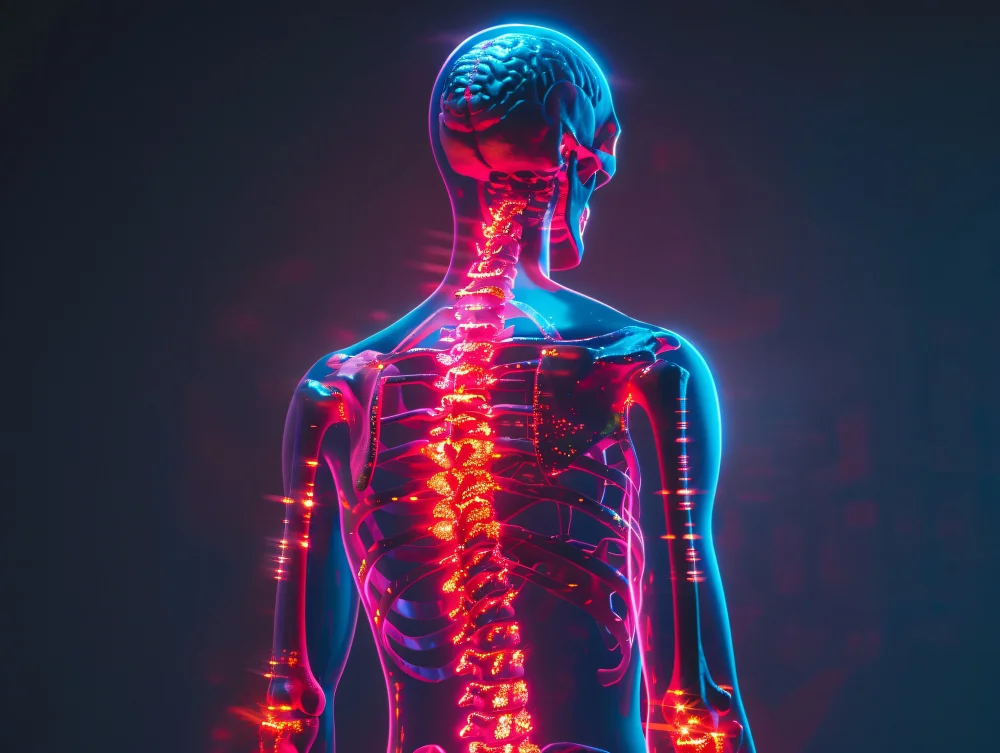
Minimally Invasive Spine Surgery
Small incisions, minimal tissue disruption and faster recovery.
Surgery is recommended only when symptoms persist despite appropriate non-surgical treatment or when there is significant nerve compression or structural instability.
 Severe or persistent pain
 Numbness, weakness or tingling
 Difficulty walking or standing
 Loss of bladder or bowel control
 Spinal instability or deformity
 Trauma or fracture of the spine
 Poor quality of life due to pain
Small incisions, minimal tissue disruption and faster recovery.
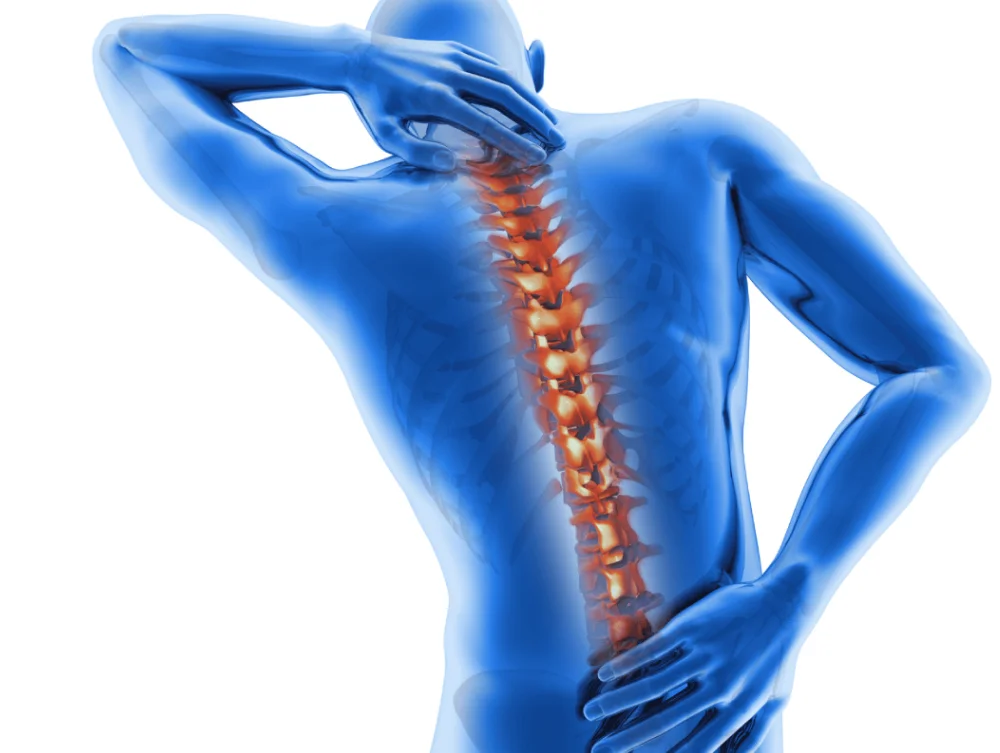
Camera-guided keyhole surgery for disc problems and nerve compression.

Removal of the herniated disc part to relieve nerve pressure.

Relieves pressure on nerves caused by stenosis or disc issues.
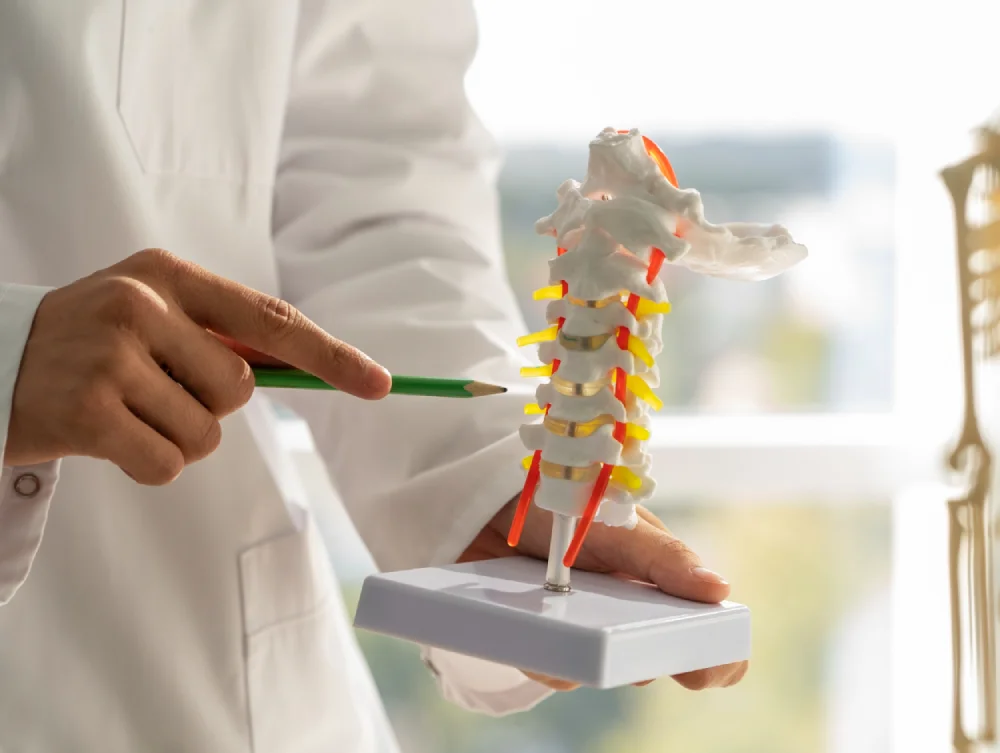
Stabilises the spine by fusing two or more vertebrae.

Advanced procedures for deformity, instability and revision cases.
No. Not every spine condition requires surgery.
Many patients improve with conservative treatment, medications, physiotherapy and pain management. Surgery is recommended only when it is the most appropriate option for your condition.
It may be required when pain, weakness, nerve compression or instability persists despite appropriate non-surgical care.
Risks vary by procedure and health condition. Your surgeon explains benefits, risks and alternatives before surgery.
Duration depends on the procedure type and complexity, ranging from short minimally invasive procedures to longer complex surgeries.
Recovery varies, but minimally invasive approaches may support faster mobilisation with structured rehabilitation.
Most patients are encouraged to walk early as advised by the care team, based on the procedure and condition.
For suitable patients, it can reduce tissue disruption, pain and recovery time. Suitability depends on diagnosis.