Lower back pain is one of the most common reasons people seek medical attention. It can happen after lifting something heavy, sitting for long hours, exercising, travelling, or sometimes without any obvious reason at all.
For many people, lower back pain improves with appropriate conservative treatment and a gradual return to normal activity. However, persistent or recurring pain, especially when associated with pain travelling down the leg, numbness, tingling or weakness, may require a more detailed evaluation.
As an orthopaedic and spine surgeon, one of the most important things I tell patients is this:
Not every episode of back pain means there is serious damage to the spine, and not every back problem requires surgery.
The right treatment starts with understanding the cause of the pain rather than simply treating the pain itself.
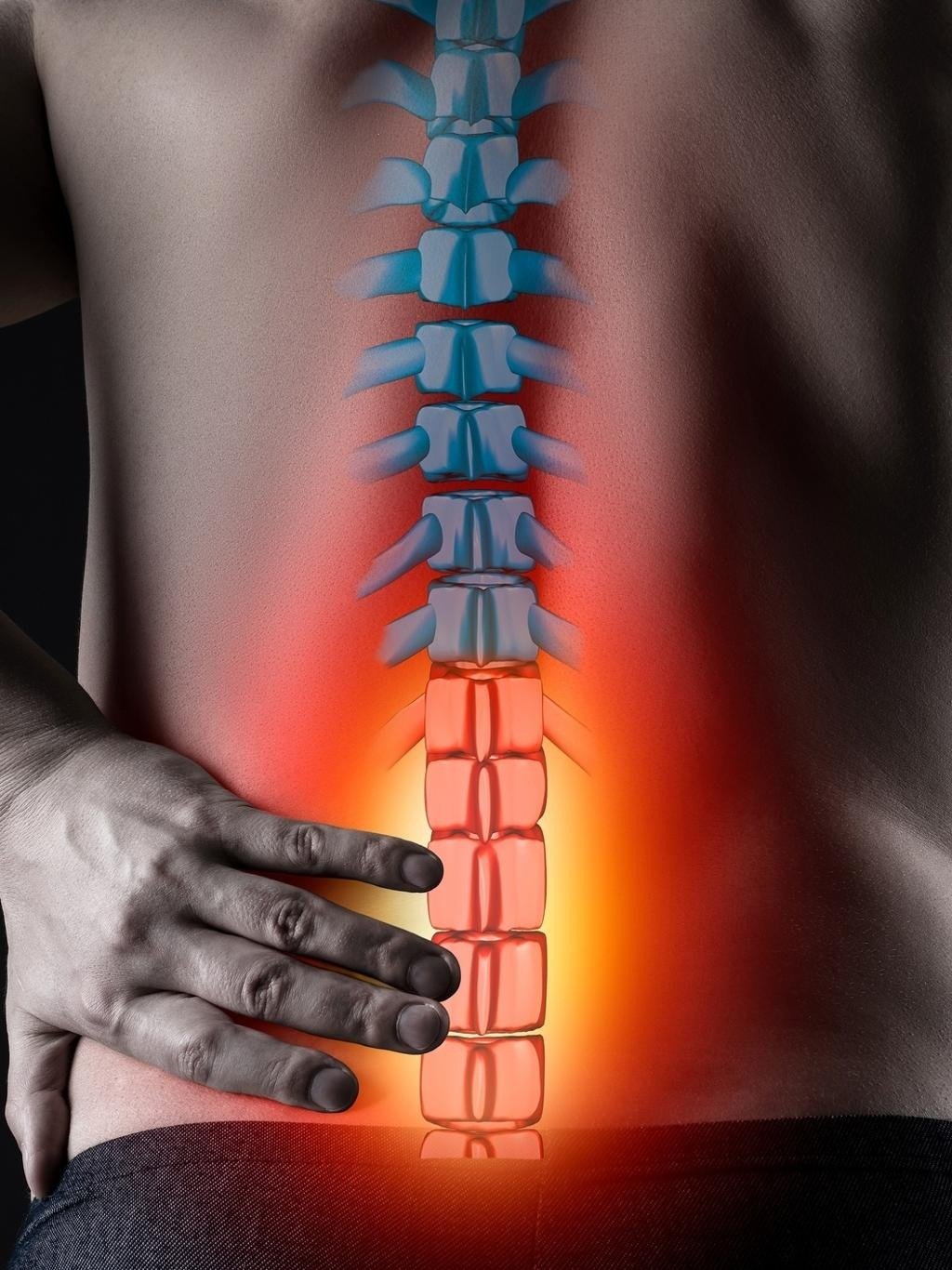
What Is Lower Back Pain?
Lower back pain refers to pain felt between the lower ribs and the buttocks. It may be felt in the centre of the lower back or more towards one side.
The pain can be:
- Dull and aching
- Sharp or stabbing
- Burning
- Associated with stiffness or tightness
- Worse when bending or lifting
- Worse after prolonged sitting or standing
- Associated with pain travelling into the buttock or leg
Some people experience back pain only for a few days, while others have recurrent episodes or pain that continues for several weeks or months.
Low back pain is extremely common. The World Health Organization estimates that approximately 619 million people experienced low back pain globally in 2020, and non-specific low back pain accounts for the majority of cases.
What Causes Lower Back Pain?
There is no single cause of lower back pain. The spine is a complex structure made up of bones, discs, joints, muscles, ligaments and nerves. Pain can arise from several different structures.
Some common causes include:
1. Muscle or Ligament Strain
A sudden increase in physical activity, lifting a heavy object, an awkward movement or repetitive physical work can strain the muscles and supporting tissues around the lower back.
This is particularly common when someone suddenly performs an activity their body is not accustomed to.
2. Poor Sitting Habits and Prolonged Sitting
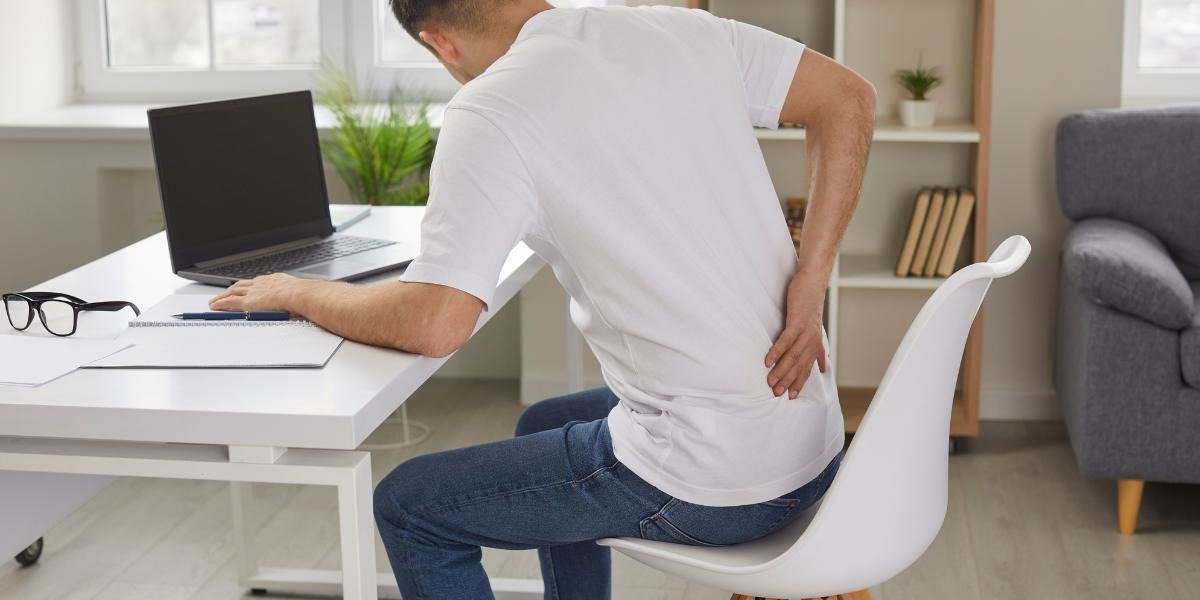
Long hours at a desk can contribute to back discomfort, particularly when combined with inadequate movement and poor ergonomics.
This is particularly relevant for people working in Bengaluru’s IT and corporate sectors who may spend several hours continuously sitting in front of a computer.
However, it is important not to blame posture alone. Back pain is usually influenced by several factors, including physical activity, muscle conditioning, sleep, stress, body weight and the individual’s overall health.
3. Slip Disc or Herniated Disc
Between the bones of the spine are flexible structures called intervertebral discs.
When part of a disc bulges or herniates and irritates a nearby nerve, it can cause lower back pain and sometimes pain travelling into the buttock or leg.
Depending on the affected nerve, patients may experience:
- Leg pain
- Tingling
- Numbness
- Burning or electric-shock-like pain
- Weakness in the leg or foot
This type of nerve-related pain is commonly associated with sciatica.
4. Age-Related Degenerative Changes
As we get older, the discs and joints of the spine can undergo degenerative changes.
These changes are common and do not always cause symptoms. An MRI may show degenerative changes even in people who have little or no back pain.
Therefore, an MRI report should always be interpreted together with the patient’s symptoms and physical examination.
5. Spinal Stenosis
Spinal stenosis refers to narrowing around the spinal canal or nerve passageways.
It may cause pain, numbness or heaviness in the legs, particularly while standing or walking. Some people find that sitting down or bending forward provides relief.
6. Spondylolisthesis
In some patients, one vertebra can shift relative to another. This is called spondylolisthesis.
Depending on the degree of movement and whether nerves are affected, treatment may range from observation and rehabilitation to more advanced interventions.
7. Other Causes
Although most lower back pain is not caused by a dangerous condition, certain medical problems can also produce back pain.
These may include fractures, infections, inflammatory conditions or, less commonly, certain tumours or problems affecting organs outside the spine.
This is why persistent, unusual or severe symptoms should not simply be ignored.
Lower Back Pain Symptoms You Should Pay Attention To
Lower back pain does not always feel the same.
Some patients describe a constant ache, while others experience sharp pain with certain movements.
Common symptoms include:
- Pain in the lower back
- Back stiffness
- Difficulty bending
- Pain after prolonged sitting
- Pain after standing for a long time
- Pain while getting up from a chair
- Pain extending into the buttock
- Pain travelling down one leg
- Tingling or numbness in the leg
- Weakness in the leg or foot
- Difficulty walking for longer distances
Pain that travels from the lower back through the buttock and into the leg may suggest irritation of a spinal nerve and requires appropriate clinical assessment.
Lower Back Pain and Sciatica. What Is the Difference?
These two terms are often used interchangeably, but they are not exactly the same.
Lower back pain is a symptom that is felt primarily around the lower back.
Sciatica refers to pain or other symptoms caused by irritation or compression of a nerve root that contributes to the sciatic nerve. It commonly produces pain travelling from the lower back or buttock into the leg.
Sciatica may also be associated with:
- Tingling
- Numbness
- Burning pain
- Electric-shock-like pain
- Muscle weakness
Not everyone with a slipped or herniated disc develops sciatica, and not everyone with sciatica necessarily requires surgery.
The treatment depends on the underlying cause, severity of symptoms, neurological findings and how the condition responds to appropriate conservative treatment.
When Should You See a Doctor for Lower Back Pain?
A short episode of mild back pain following an unusual activity may settle with appropriate self-care.
However, I recommend medical evaluation when the pain:
- Persists or repeatedly comes back
- Is getting progressively worse
- Interferes with sleep or daily activities
- Prevents you from working normally
- Travels down the leg
- Is associated with numbness or tingling
- Is associated with weakness
- Makes walking difficult
- Develops after a significant injury
- Is accompanied by other concerning symptoms
You should seek urgent medical attention if back pain is associated with new bladder or bowel control problems, numbness around the groin or saddle region, or significant/progressive weakness in the legs. These symptoms can indicate serious nerve compression and should not be ignored.
Do You Need an MRI for Lower Back Pain?
One of the most common questions I hear is, “Doctor, should I get an MRI?”
The answer is not always yes.
An MRI is an excellent tool for examining the discs, nerves and other structures of the spine, but imaging should be used when it is clinically appropriate.
Many people with uncomplicated lower back pain do not need immediate imaging. Current clinical guidance recommends against routinely performing imaging for uncomplicated low back pain or sciatica in a non-specialist setting when the result is unlikely to change management.
An MRI becomes more useful when there are neurological symptoms, persistent symptoms despite appropriate treatment, suspicion of a specific spinal condition, or when the findings may change the treatment plan.
An MRI report should never be treated as the diagnosis by itself.
Your symptoms, examination and imaging findings need to be considered together.
How Is Lower Back Pain Treated?
The treatment of lower back pain depends on the cause.
There is no single treatment that works for every patient.
1. Activity Modification
Complete bed rest is generally not the answer to ordinary back pain.
Depending on the condition, patients are usually encouraged to remain appropriately active while avoiding activities that significantly aggravate their symptoms.
The goal is to gradually return to normal movement and function.
2. Physiotherapy and Exercise
Physiotherapy can play an important role in recovery.
Depending on the diagnosis, rehabilitation may focus on:
- Improving spinal mobility
- Strengthening the core and supporting muscles
- Improving hip mobility
- Correcting movement patterns
- Improving flexibility
- Gradually increasing activity
- Returning to work or sport safely
For chronic primary low back pain, the WHO recommends a person-centred approach that can include education, exercise and appropriate physical therapies.
3. Medicines
Depending on the individual’s condition and medical history, medications may sometimes be used for short-term symptom control.
However, pain medicines are not a substitute for identifying the underlying problem when symptoms persist.
Patients with kidney disease, stomach ulcers, heart disease, pregnancy, or other medical conditions should consult a doctor before taking pain medication.
4. Interventional Pain Procedures
Some patients with persistent spine-related pain may benefit from targeted procedures after appropriate evaluation.
Depending on the diagnosis, these may include:
- Nerve root blocks
- Epidural injections
- Facet joint injections
- Medial branch blocks
- Radiofrequency procedures
- Trigger point injections
- Other image-guided pain procedures
These procedures are not required for every patient. They should be considered only when there is a clear clinical reason.
5. Surgery
Surgery is considered when the patient’s symptoms and clinical findings indicate that an operation is likely to provide meaningful benefit.
Examples may include certain cases of:
- Persistent nerve compression
- Significant disc herniation with appropriate clinical findings
- Spinal stenosis
- Spondylolisthesis
- Structural spinal problems
- Progressive neurological deficit
- Severe symptoms that have not improved with appropriate non-surgical treatment
The type of surgery depends entirely on the underlying problem.
Where appropriate, minimally invasive or endoscopic spine surgery may be considered.
Does Lower Back Pain Always Need Surgery?
No.
This is an important point.
Most people with ordinary, non-specific lower back pain do not need spine surgery. Rehabilitation, appropriate physical activity, lifestyle modification and other non-surgical treatments can be effective for many patients.
Even some patients with a slipped disc or sciatica improve without an operation.
Surgery should not be recommended simply because an MRI shows a disc bulge.
The important questions are:
What symptoms are you experiencing?
Is a specific nerve being compressed?
Are there neurological changes?
How severe are the symptoms?
How long have they been present?
Have appropriate non-surgical treatments been tried?
Is surgery likely to improve your function and quality of life?
These questions are more important than the MRI image alone.
What Can You Do at Home for Mild Lower Back Pain?
For uncomplicated, mild lower back pain, some general measures may help:
Keep moving
Avoid unnecessary prolonged bed rest. Gentle movement and gradual return to normal activity are generally preferable.
Take regular breaks from sitting
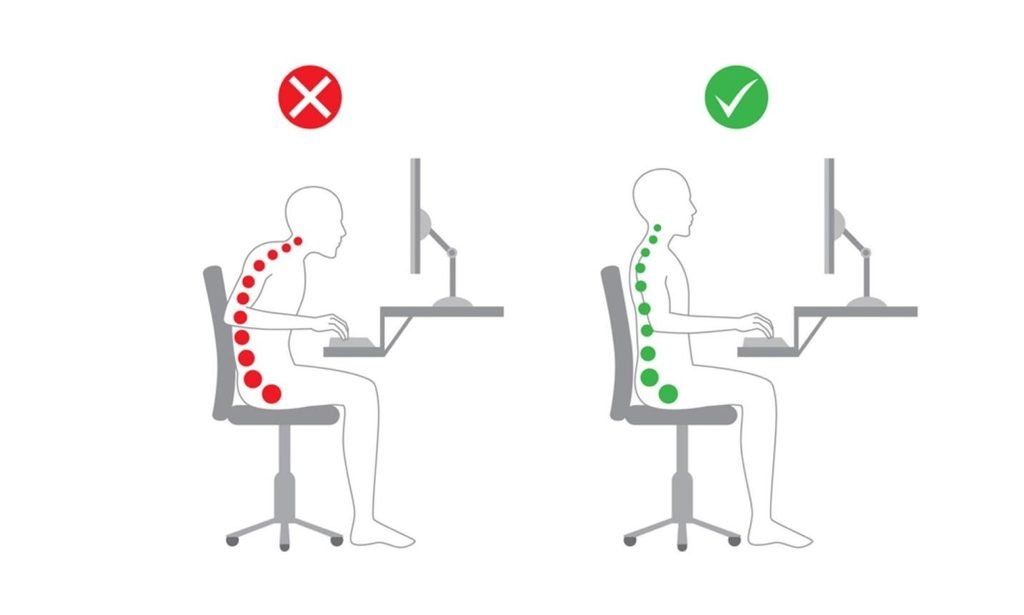
If you work at a desk, stand up and move around periodically rather than sitting continuously for several hours.
Improve your workstation
Your chair, desk, monitor position and working habits can all influence how comfortable you feel during long working hours.
Maintain a healthy body weight
Excess body weight can increase the physical demands placed on the musculoskeletal system.
Exercise regularly
A consistent exercise routine is generally more useful than exercising only when back pain occurs.
Sleep well
Poor sleep can make pain harder to manage and can affect recovery.
Avoid sudden heavy lifting
If you need to lift something heavy, use safe lifting techniques and avoid sudden twisting movements.
WHO also highlights physical activity, healthy body weight, good sleep, workplace ergonomics and other lifestyle factors as part of self-management for low back pain.
Lower Back Pain in Bengaluru’s IT Professionals
In HSR Layout, Koramangala, BTM Layout, Harlur, Agara, Sarjapur Road, Bommanahalli and surrounding areas, many working professionals spend long hours at a desk.
However, sitting for long periods is only one part of the picture.
A healthier approach is to combine:
- Regular movement during the workday
- Appropriate workstation ergonomics
- Strength and conditioning
- Adequate sleep
- Healthy body weight
- Appropriate management of existing spinal conditions
If your back pain keeps returning despite these measures, it is worth getting an assessment rather than repeatedly treating the symptoms yourself.
When Is Lower Back Pain a Medical Emergency?
Most back pain is not an emergency.
However, certain symptoms require immediate medical assessment.
Seek urgent medical attention if you develop:
- New loss of bladder or bowel control
- Numbness around the inner thighs, groin or saddle region
- Severe or rapidly progressing weakness in the legs
- Significant neurological symptoms after major trauma
- Severe back pain accompanied by concerning systemic symptoms
These symptoms should not be managed at home without medical assessment.
Why an Individual Assessment Matters
Two patients can have almost identical MRI reports but require completely different treatment.
For example, one person may have a disc bulge visible on MRI but no significant nerve-related symptoms. Another patient may have a similar-looking disc problem with severe leg pain, numbness or weakness.
The MRI may look similar.
The treatment may be completely different.
This is why I prefer to evaluate the patient’s history, symptoms and physical examination along with appropriate imaging before recommending treatment.
My approach is to consider conservative treatment whenever it is clinically appropriate and reserve procedures or surgery for patients who genuinely need them.
Lower Back Pain Treatment in HSR Layout, Bengaluru
If you are looking for a lower back pain doctor in HSR Layout, persistent back pain, sciatica, slipped disc symptoms or other spine-related problems can be evaluated by an orthopaedic and spine specialist.
At Omega Ortho Spine & Pain Care Centre, HSR Layout, Bengaluru, Dr. Kiran Tej Daggupati provides evaluation and treatment for spine, orthopaedic and musculoskeletal conditions.
Treatment may include conservative management, rehabilitation, appropriate pain procedures and, when clinically indicated, minimally invasive or advanced spine surgery.
The objective is not simply to reduce pain for a few days.
The goal is to identify the reason for the pain and choose the safest appropriate treatment to help you return to normal activities.
Meet Dr. Kiran Tej Daggupati
Dr. Kiran Tej Daggupati
Orthopaedic & Spine Surgeon
Minimally Invasive Spine Specialist
Omega Ortho Spine & Pain Care Centre
504, 22nd Cross Road, HSR Layout, Bengaluru, Karnataka 560102
Appointments: 097435 47999
Patients from HSR Layout, Koramangala, BTM Layout, Harlur, Agara, Bommanahalli, Sarjapur Road, Kudlu, Bellandur and nearby areas can consult for back pain, spine problems, sciatica, slipped disc and other orthopaedic conditions.
Frequently Asked Questions About Lower Back Pain
Is lower back pain common?
Yes. Lower back pain is extremely common and can occur at almost any age. Most cases are not caused by a serious disease, but persistent or unusual symptoms should be evaluated.
How long does lower back pain take to improve?
It depends on the cause. Many uncomplicated episodes improve over days to weeks, while some conditions can persist longer. Persistent or recurrent symptoms should be assessed rather than repeatedly self-treated.
Is a slipped disc the same as sciatica?
No. A slipped or herniated disc can irritate a spinal nerve and cause sciatica, but the two terms describe different things.
Can lower back pain be treated without surgery?
Yes. Many patients improve with appropriate conservative treatment, rehabilitation, activity modification and other non-surgical measures. Surgery is reserved for selected cases.
When should I see a spine specialist?
Consider an evaluation if your pain persists, repeatedly returns, interferes with daily activities, travels down the leg, or is associated with numbness, tingling or weakness.
Do I need an MRI for back pain?
Not necessarily. Imaging is usually recommended when it is clinically appropriate and when the findings are likely to influence treatment decisions.
Can sitting for long hours cause back pain?
Prolonged sitting can contribute to back discomfort, particularly when combined with low physical activity and poor ergonomics. Regular movement and appropriate workstation habits can help.
Does every slipped disc require surgery?
No. Many disc-related problems can improve with non-surgical treatment. The need for surgery depends on symptoms, neurological findings, imaging and response to appropriate treatment.
Final Takeaway
Lower back pain should not automatically be associated with a serious spine problem or surgery.
In many patients, the most effective approach is a combination of accurate diagnosis, appropriate activity, rehabilitation and conservative treatment.
At the same time, persistent pain, leg symptoms, numbness, weakness or changes in bladder or bowel function should not be ignored.
Listen to your symptoms. Get the right diagnosis. Choose treatment based on the cause, not just the pain.
If your lower back pain is affecting your work, sleep, walking or daily life, an evaluation by an orthopaedic and spine specialist can help determine the appropriate next step.
Medical Disclaimer
This article is intended for general educational purposes and should not be considered a substitute for an individual medical consultation. Lower back pain can have different causes, and treatment should be based on a patient’s symptoms, medical history and clinical examination. If you have severe or rapidly worsening symptoms, significant weakness, loss of bladder or bowel control, or numbness around the groin or saddle region, seek urgent medical attention.